 |
| Stops to make on the road |
 |
| Map of the highway |
The Grapes of Wrath, by John Steinbeck proclaimed the famous U.S. Highway 66, otherwise known as the "Mother Road." Steinbeck's novel commemorated Route 66 in the American perception by taking the reader down the journey in which Joad's family and all the other migrants partook in the search for a better future. Over 200,000 people were estimated to have used this route to migrate toward California to escape the despair of the Dust bowl. The route is known to many who endured this migration as a symbol of their path to greater opportunity and prosperity.
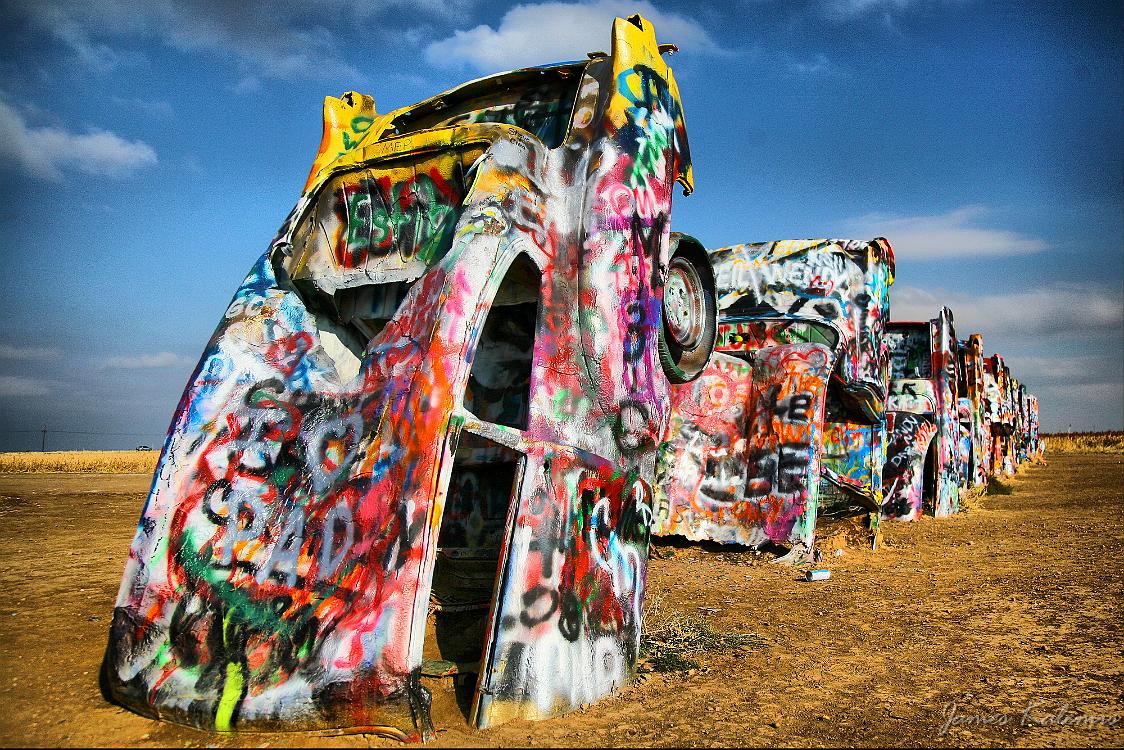 |
| Cadillac Ranch: Amarillo, Texas |
U.S. Highway 66 and other major roads in America had integral links to President Roosevelt's revolutionary New Deal programs for work relief and economic recovery. Road improvements and maintenance work were central features of the New Deal's relief programs for the poor. The 1930's consisted of thousands of unemployed male youths from virtually every state were put to work as laborers to help take part in the construction of this famous road.Route 66 symbolizes the renewed spirit of optimism that pervaded the country after economic catastrophe. The route also, in effect provided business and commercial opportunities for low capital small businesses that could be found along the highway.
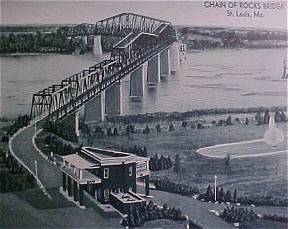 |
| Chain of Rocks Bridge: St. Louis, Missouri |
The route plays a significant role in the novel; for Steinbeck was inspired by this specific highway and the migrants he had studied and associated with to accurately publish the plight of the migrants and the hardships they encountered along the way. Steinbeck chose to specifically focus on the people from Oklahoma during their journey; therefore every encounter and hardship that the reader comes across is inspired from true migrants. From the breakdowns of the cheap cars, the unraveled hopes, and man's abandonment of their treasured land, all are true events that Steinbeck felt was important to emphasize and mention to showcase the fight one had gone through to achieve a better life on Route 66.
Click here to read about Steinbeck's inspiration for the novel
 |
| Blue Whale of Catoosa: Catoosa, Oklahoma |
Sources: info/facts: #1, #2, #3

No comments:
Post a Comment